August 12, 2026

Wednesday

Reality Recorded, Verified, and Felt

In today's journal

A look back at the machine that made playback of recorded sound a reality and a look forward at a new effort to prove a photo is real, all while recognizing the reality of feelings associated with some memories is never doubted.

This week, I have been thinking about how these [souvenirs] are only the beginning of what I “bring back” from museums. After I visit a museum, I bring home memories of art, maps of the space I walked through, memories of specific places, of the people with whom I visited a museum, of all the moments I had before, during, and after my visit.

I bring back the feeling of moving between rooms – of noticing that the narrow entranceway with two small doors is an opportunity to be kind to others by holding the door open, of feeling the textures change beneath my feet as I go from the stone floor of the entrance to the carpeted area of the museum, and of feeling textures of the carpet change as I move between rooms and floors and spaces. I bring back my memories of the architecture: the tall ceilings, the pillars, the walls, the rooms, how rooms connect.
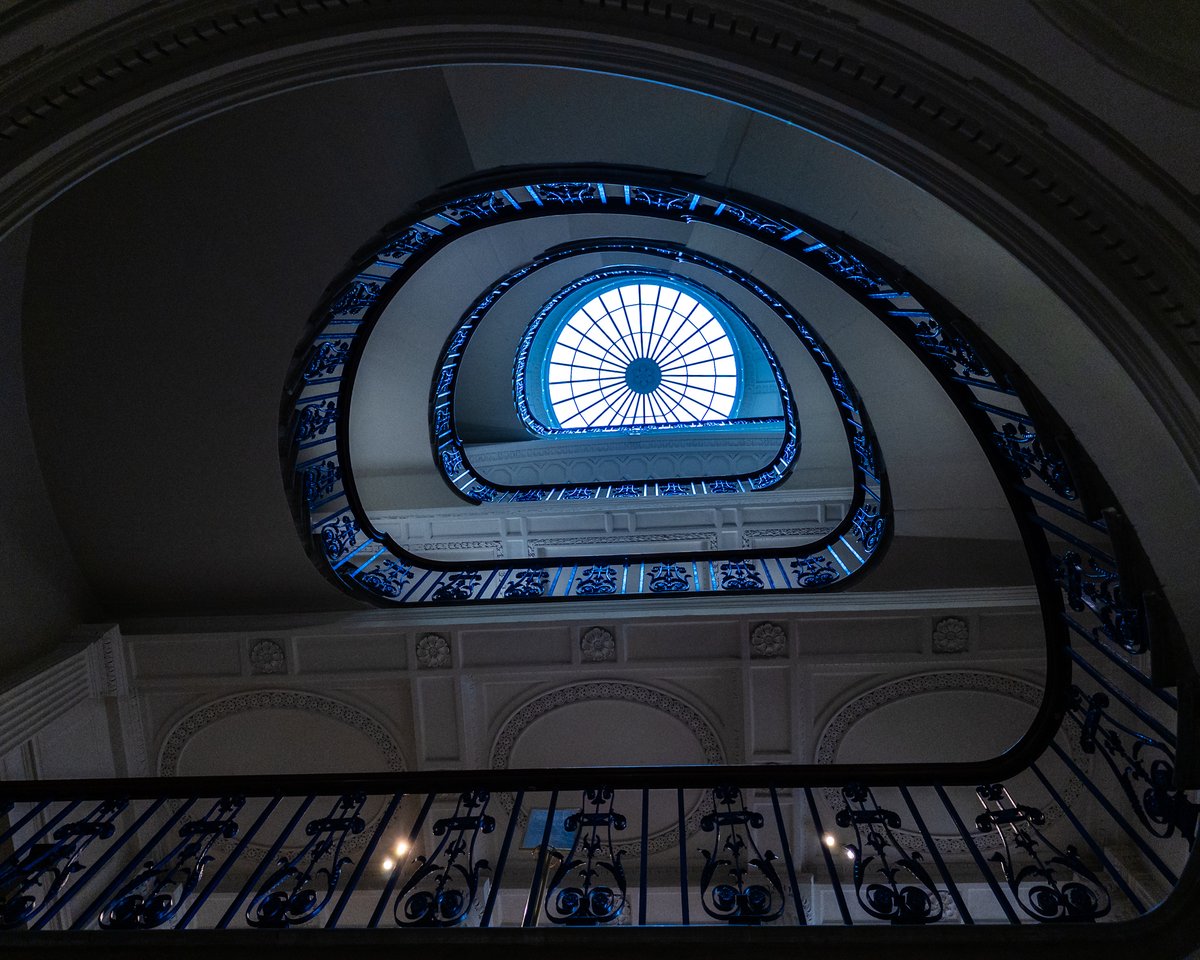
In Impressions; museums, James shares some insight on the intangibles he brings back from visits to museums. There’s the obvious things, like memories of the art in the museum, but I really connected with his note about the feelings associated with the physical aspects of a museum because I tend to remember such things, and recall those memories when reflecting on museum visits just as much as I recall memories of the art. As I write this, I’m thinking about several museums we visited during a recent trip to London and immediately feel the immensity of some of the rooms in the National Gallery in London, the cushy creakiness of rooms in the Royal Collection at Windsor Castle, and the mixture of awe and a bit of unease associated with looking up the main staircase at the Courtauld Gallery.

The staircase at The Courtauld Gallery in London

I have wonderful memories of many works of art we saw and learned about in those museums and all the others we’ve visited over the years, of course, but I always seem to walk away with memories of the physical aspects of museums. This is true of my visits to non-museums, too, but it somehow seems to be more pronounced with museums. Maybe there’s something about the necessary elements of a museum that enhance a desire to remember the physical aspects of place, or maybe the seemingly singular purpose of a museum forces me to think about other things while visiting. The memories seem to be fully intertwined with the art, too; they always surface whenever I recall some of my favorite works from the museums. It’s a twofer of sorts, and I love that.

And it’s nice to see someone else thinks about those aspects of museums, too.

link published in /2026/08/12 at 9:15 AM
Reference this post

Please use the direct URL below when referencing this post. If you’d like to reference this day’s page in general, use the day URL below. You can refer to me as “Matt” or “Matt Buchanan” and the site as “Some Was True”.

AI-generated images and video have rapidly grown in sophistication and realism to the point where it can sometimes be hard to distinguish them from genuine photos. This fact is being exploited by both scammers and those intent on spreading disinformation.

An industry body has been set up to fight this, known as the Coalition for Content Provenance and Authenticity (C2PA). This provides a means of identifying genuine photos and enabling viewers to see how they have been modified, whether or not AI tools were used.

Over 500 companies have joined the C2PA initiative, while Apple for now appears to be going its own way with the Apple Reference Image (ARI) feature. Anyone who has taken a photo on an iPhone with ARI enabled can upload it to an Apple server for verification that it is genuine.

(emphasis added)

Verifiability of provenance and authenticity of digital images seems to have been on a slow burn for awhile, but that might be about to change if the new Apple Reference Image feature actually lands in iOS 27. It’s interesting, but not surprising, that Apple eschewed the established Content Credentials standard from the Coalition for Content Provenance and Authenticity. A quarterback controversy might be brewing as the season is about to get underway.

link published in /2026/08/12 at 1:52 PM
Reference this post

Please use the direct URL below when referencing this post. If you’d like to reference this day’s page in general, use the day URL below. You can refer to me as “Matt” or “Matt Buchanan” and the site as “Some Was True”.

Some Was True publishes daily observations and commentary on everything from culture and history to sports and technology. You'll probably learn something each time you visit the site. And sources will be cited. The About page has more information about the background of the site and details on how content is organized.

About today's feature image